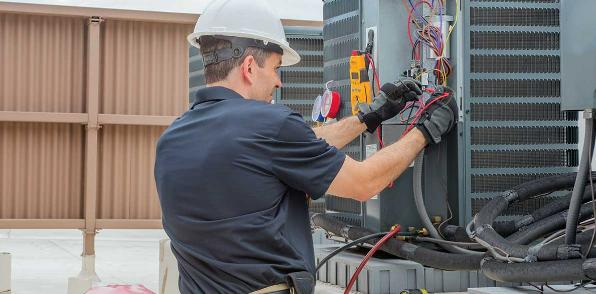
If your home doesn’t have existing ductwork — or you’re adding a room and don’t want to extend an aging forced-air system — a ductless mini-split system has probably come up in conversation. And for good reason. These systems have become one of the most practical, flexible HVAC solutions available for modern homes, especially in a region like the Greater Vancouver area where mild but unpredictable winters and warm summers demand year-round comfort control.
But “popular” doesn’t always mean “right for your situation.” Mini-splits have genuine advantages and real drawbacks that vary depending on your home’s layout, your budget, and how you use your space. This article breaks both sides down honestly — no sales pitch, just practical guidance from an HVAC perspective rooted in what actually works for Vancouver-area homeowners and property managers.

Key Takeaways
- Ductless mini-splits provide both heating and cooling without requiring ductwork, making them ideal for room additions, older homes, and detached spaces.
- They operate at high energy efficiency using inverter technology and are well-suited to Vancouver’s climate.
- Upfront installation costs are higher than portable or window units, but lower operating costs often offset this over time.
- Multi-zone systems can serve multiple rooms from one outdoor unit, but sizing and placement matter significantly.
- Maintenance is straightforward but must be done consistently to protect performance and lifespan.
- Rebates may be available through BC Hydro and CleanBC programs that can reduce installation costs. (Verify current eligibility with your installer or directly at the program’s website.)
What Is a Ductless Mini-Split System?
A ductless mini-split system is a two-part HVAC setup: an outdoor compressor/condenser unit and one or more indoor air-handling units (called “heads”) mounted on the wall, ceiling, or floor of the spaces you want to heat or cool. The two units are connected by a conduit that runs through a small hole in the wall — typically about three inches in diameter — carrying refrigerant lines, power, and a condensate drain.
Unlike a central forced-air system, there are no ducts involved. Each indoor unit delivers conditioned air directly into the room it serves. Most modern mini-splits are heat pumps, which means they can both cool your space in summer and heat it in winter by moving heat rather than generating it from combustion or resistance coils.
The key technology inside most mini-splits is the inverter-driven compressor. Traditional HVAC systems cycle on and off at full power. An inverter compressor adjusts its speed continuously to match the load — running slower when demand is lower. This significantly reduces energy consumption and keeps indoor temperatures more stable without the temperature swings you sometimes feel with older systems.
A multi-zone mini-split system uses one outdoor unit connected to two or more indoor heads, each operating independently. This is particularly useful for property managers overseeing multi-unit buildings or homeowners who want zoned heating and cooling across different areas of the house.
Advantages of Ductless Mini-Split Systems
Energy Efficiency in the Vancouver Climate
Vancouver, WA sits in a climate zone that sees moderate winters, occasional cold snaps, and warm-to-hot summers. This makes a heat pump-style mini-split a strong match — the system runs efficiently across a wide outdoor temperature range without needing a backup heat source most of the time.
Modern mini-splits carry high Seasonal Energy Efficiency Ratio (SEER) ratings for cooling and Heating Seasonal Performance Factor (HSPF) ratings for heating. Both metrics measure how much output you get per unit of electricity consumed. Higher-rated units cost more upfront but deliver meaningful savings on monthly energy bills.
Because inverter technology modulates output rather than cycling on and off, mini-splits avoid the energy spikes associated with traditional forced-air systems starting and stopping. They also eliminate duct losses — in homes with ducts, the U.S. Department of Energy estimates that duct leakage and heat transfer can account for 20–30% of a system’s energy loss. No ducts means no duct losses.
For homeowners focused on energy-efficient HVAC in Vancouver, mini-splits are often among the top recommendations — particularly for older homes, ADUs, garage conversions, or new additions where running ductwork isn’t practical.
Zoned Heating and Cooling
One of the most practical advantages of mini-split systems is the ability to control temperature room by room. You’re not heating or cooling the whole house to satisfy one thermostat. Each indoor head has its own controls. If a bedroom runs warmer than the living room, or if a home office is only occupied part of the day, you can set each zone independently.
This flexibility is especially useful for:
- Multi-story homes where heat rises, and upper floors become uncomfortable.
- Rental properties where tenants control their own unit’s temperature
- Homes with frequently unused guest rooms or seasonal spaces
- Room additions or converted garages that sit outside the main system’s reach

No Ductwork Required
This is the defining advantage for many homeowners. Installing central ductwork in a home that doesn’t have it is expensive and disruptive — it requires opening walls, ceilings, and floors. Mini-split installation, by comparison, requires only a small wall penetration and a clear mounting surface indoors and outdoors. The disruption is minimal, and the job is typically completed in a day or two.
For heating solutions without ductwork, particularly in older Vancouver-area bungalows, split-level homes, or new room additions, mini-splits remove a major barrier to comfortable year-round climate control.
Improved Indoor Air Quality
Ducts accumulate dust, allergens, and in some cases mold. Without ducts, a mini-split doesn’t circulate air through a potentially contaminated system. Most indoor units also include multi-stage filtration. That’s a meaningful benefit for households where air quality is a concern.
Installation and Costs in Vancouver
Mini-split installation in the Greater Vancouver, WA area varies based on the number of zones, the brand and efficiency rating of the equipment, and the complexity of the installation — particularly how far the indoor and outdoor units need to be from each other and what’s involved in mounting and electrical work.
General cost ranges to expect:
- Single-zone system: Roughly 3,000–5,500 installed, depending on unit size and installation complexity
- Multi-zone system (2–4 zones): Roughly 6,000–12,000+ installed
- High-efficiency or cold-climate rated units: Can sit at the higher end of these ranges, but deliver better long-term operating savings
These are general figures. Actual quotes depend on site-specific factors, so getting an in-home assessment from a licensed HVAC contractor is the most reliable path to an accurate number.
Rebates and Incentive Programs:
Washington State residents and those in Clark County may have access to utility rebates or state energy efficiency programs that offset installation costs. Programs through local utilities and state energy offices — such as Clark Public Utilities — periodically offer rebates for qualifying heat pump installations. Check directly with your utility provider and ask your HVAC contractor about any current incentive programs at the time of your consultation, as these programs change.
RHCC HVAC serves the Greater Vancouver area and can walk you through available rebate opportunities as part of the consultation process. Don’t leave money on the table — rebate-eligible equipment can meaningfully close the gap between a mini-split’s upfront cost and a lower-efficiency alternative.
Drawbacks of Ductless Mini-Split Systems
No system is perfect. Here’s where mini-splits fall short, and these are important to understand before you commit.
Higher Upfront Cost Than Some Alternatives
Compared to a window AC unit or a portable heater, the upfront investment in a mini-split is significantly higher. If your need is purely temporary — cooling a room for one summer, for example — a mini-split is overkill. The payback on energy savings happens over several years, so the longer you plan to stay in a property, the more the economics favor a mini-split.
Aesthetic Concerns
The indoor air handler is wall-mounted and visible. For homeowners who are sensitive to interior aesthetics, this can be a sticking point. The units have become more streamlined over the years, but they are a visible appliance. Ceiling cassette styles are less obtrusive, but they’re also more complex to install and typically cost more.
This isn’t a dealbreaker for most people, but it’s worth knowing going in. Placement planning with your installer can minimize visual impact.
Performance in Extreme Cold
Most standard mini-splits lose efficiency as outdoor temperatures drop significantly below freezing. While Vancouver, WA doesn’t see the extreme cold of inland or northern climates, there are cold snaps during winter. Cold-climate mini-splits — sometimes called hyper-heat models — are rated to maintain effective heating performance down to -13°F to -22°F (-25°C to -30°C), depending on the brand and model.
If you’re relying on a mini-split as your primary heat source, cold-climate rated equipment is the right choice for this region, not a standard efficiency model.
Dependence on Electricity
Unlike gas furnaces, mini-splits run entirely on electricity. If your area experiences power outages, you lose your heat and cooling. For homeowners in areas with reliable power, this isn’t typically a problem. But it’s a relevant consideration if your property is in a location prone to outage events.
Maintenance Requirements
Mini-splits are not maintenance-free. They’re lower maintenance than many systems, but ignoring upkeep shortens the equipment’s life and degrades efficiency over time.
What regular maintenance looks like:
- Filter cleaning: Indoor unit filters should be cleaned every 4–6 weeks during heavy use seasons. This is a simple, DIY task — most filters slide or snap out, rinse under water, and reinstall.
- Annual professional servicing: A licensed technician should inspect refrigerant levels, clean the coils (indoor and outdoor), check electrical connections, and verify the system is operating to spec. Plan for this once a year.
- Outdoor unit clearance: Keep the outdoor unit free of debris, leaves, and vegetation. Airflow restriction reduces efficiency.
- Condensate drain check: The indoor unit drains condensate through a small line. If this line gets blocked, you can get water leakage inside. An annual service visit typically catches this.
Neglecting these steps — particularly coil cleaning — is the most common reason mini-splits underperform or fail prematurely. Built into your routine, maintenance is manageable.
Is a Mini-Split Right for Your Home?
Here’s a practical way to think through the decision:
Strong indicators a mini-split is a good fit:
- Your home has no existing ductwork, or ductwork that’s old, poorly sealed, or undersized.
- You’re adding a room, finishing a basement, or converting a garage and don’t want to extend the main system.
- You want independent temperature control for different rooms or units in a multi-family property.
- You’re prioritizing energy efficiency and long-term operating cost savings.
- You’re planning to stay in the property long enough for the investment to pay back (typically 5–10 years depending on usage and energy costs)
Situations where a mini-split may not be the best fit:
- You already have a well-functioning, properly sized central system with good ductwork.
- Budget constraints make the upfront cost prohibitive.
- You need a short-term or temporary solution.
- You’re in a rental property where the landlord controls system decisions.
For most homeowners and property managers in the Greater Vancouver area dealing with heating solutions without ductwork, mini-splits are among the most practical and efficient options available.
How Mini-Splits Compare to Traditional HVAC Systems
| Factor | Ductless Mini-Split | Central Forced Air |
| Requires ductwork | No | Yes |
| Zoned control | Yes (per head) | Only with added zoning hardware |
| Installation disruption | Low | High (if adding ducts) |
| Energy efficiency | High | Moderate to high (varies) |
| Upfront cost | Moderate to high | Moderate (higher if adding ducts) |
| Aesthetic impact | Wall/ceiling unit visible | Vents in floor/ceiling |
| Whole-home coverage | Multi-zone possible | Typically easier for whole home |
| Maintenance complexity | Low-moderate | Moderate (includes duct cleaning) |
For homes where ducts already exist and are in good condition, a traditional system may still be the most economical choice. For everything else — especially room additions, older homes, and detached structures — mini-splits are a strong competitor.

How Mini-Split Installation Works: Step by Step
Understanding what the installation process looks like can help you plan and feel confident in the decision.
1. Site Assessment: A licensed HVAC technician visits your home to evaluate the space, determine the appropriate unit size (measured in BTUs), identify the best location for indoor and outdoor units, and assess electrical requirements.
2. Equipment Selection: Based on room size, insulation quality, window exposure, and local climate, the technician recommends a specific unit or multi-zone setup. Sizing matters — too small and it can’t keep up; too large and it short-cycles, reducing efficiency and comfort.
3. Mounting the Indoor Unit: The indoor air handler is mounted on an interior wall at the specified height, typically high on the wall for optimal air distribution. A bracket is secured, the unit snaps in, and a small hole is cut through the wall for the conduit.
4. Installing the Outdoor Unit: The outdoor compressor/condenser is placed on a pad or wall bracket outside, in a location with good airflow and accessible for maintenance. It should be clear of landscaping and debris.
5. Running the Line Set Refrigerant lines, power wiring, and condensate drain tubing are run through the wall opening and connected between the indoor and outdoor units. This conduit is typically covered with a line hide cover on the exterior for a clean finish.
6. Electrical Connection: The system is wired to your electrical panel. Many mini-splits require a dedicated circuit — your technician will confirm this during the assessment phase.
7. System Startup and Testing: Once connected, the technician pressurizes the lines, checks for leaks, and runs the system through heating and cooling modes to verify it’s operating correctly.
For most single-zone installations, this process takes one day. Multi-zone systems may take longer depending on complexity.
Conclusion
Ductless mini-split systems offer a genuinely compelling combination of energy efficiency, flexibility, and relatively low installation disruption — particularly valuable in the Greater Vancouver area where many homes lack ductwork or have spaces that sit outside the reach of a central system.
They’re not the right answer in every situation. Upfront costs are real, maintenance can’t be ignored, and aesthetic fit matters to some homeowners. But for the right property — and in Vancouver, that covers a wide range of scenarios — a properly sized and installed mini-split system can provide reliable year-round comfort while lowering long-term energy costs.
The key is getting the assessment right from the start. Equipment selection, sizing, and placement all affect how well the system performs. Working with an experienced local contractor who understands both the equipment and the local climate is the most important step you can take.
RHCC HVAC serves homeowners and property managers throughout the Greater Vancouver, WA area. If you’re considering a ductless mini-split system and want honest guidance on whether it’s the right fit for your property, reach out for a consultation.
Comfortable year-round starts with the right system — installed before the season changes. RHCC HVAC serves Vancouver, WA, and the surrounding area with professional mini-split installation, maintenance, and repair. Contact Our Team Today
Key Takeaways
- Ductless mini-splits heat and cool without ductwork, making them ideal for older homes, room additions, ADUs, and converted spaces.
- Inverter technology makes them more energy-efficient than traditional systems by continuously modulating output instead of cycling on and off.
- Zone control lets you heat or cool individual rooms independently — a major advantage for multi-room homes and rental properties.
- Upfront costs are higher than window units or portable options, but operating cost savings and potential rebates improve the long-term economics.
- Cold-climate rated models are the right choice if you plan to rely on a mini-split as your primary heat source in the Vancouver area.
- Maintenance is simple but necessary — clean filters regularly and schedule annual professional servicing.
- Rebates may be available through local utilities and state programs — confirm current availability with your contractor before purchasing.
FAQs
How do ductless mini-split systems compare to central air systems?
Central air systems distribute conditioned air through a network of ducts and are typically better suited to whole-home coverage in homes where ducts already exist and are in good condition. Mini-splits work without ducts, offer per-room zoning, and are more practical and cost-effective for spaces where ductwork doesn’t exist or isn’t feasible. They’re often more energy-efficient because they eliminate duct losses, but they may require multiple indoor units to cover a whole home.
Can a ductless mini-split handle extreme temperatures in Vancouver?
Standard mini-splits can lose efficiency when outdoor temperatures fall significantly below freezing. For the Greater Vancouver, WA area — which occasionally sees cold snaps but not prolonged extreme cold — a cold-climate or hyper-heat rated mini-split is the practical choice if you’re using it as a primary heat source. These models maintain effective heating down to well below 0°F. Ask your installer specifically about cold-climate performance ratings when selecting equipment.
What size mini-split is needed for a typical home room?
Sizing depends on the room’s square footage, ceiling height, insulation quality, window area, and local climate. As a rough starting point, a 9,000 BTU unit can typically handle a room up to about 350–400 sq ft, and a 12,000 BTU unit handles roughly 450–550 sq ft. However, proper Manual J load calculations by a licensed technician are the right way to size equipment — oversizing and undersizing both cause problems.
Are there government rebates for installing mini-splits in Washington State?
Washington State residents may have access to utility rebates and state energy efficiency incentive programs for qualifying heat pump installations. Clark Public Utilities and other local utilities have offered rebate programs in the past. Program availability and eligibility requirements change, so check directly with your utility provider and ask your HVAC contractor about current programs at the time of your installation.
What are the most common issues with ductless mini-split systems?
The most common issues include: reduced efficiency from dirty or blocked filters or coils, refrigerant leaks (typically from improper installation or physical damage), condensate drain clogs causing indoor water leakage, and outdoor unit airflow restrictions from debris or vegetation. Most of these problems are preventable with regular maintenance and proper installation by a licensed contractor.
How do ductless mini-splits work?
A mini-split transfers heat rather than generating it. In cooling mode, the indoor unit absorbs heat from the room air and transfers it to the refrigerant, which carries it to the outdoor unit where it’s released outside. In heating mode, the process reverses — the outdoor unit extracts heat from outside air (even in cold weather) and moves it indoors. An inverter-driven compressor adjusts its speed to match the demand, making the process highly efficient.
Can a mini-split cool or heat multiple rooms?
Yes. A multi-zone mini-split system uses one outdoor compressor connected to two or more indoor air handlers. Each indoor unit serves a different room or zone and can be controlled independently. This makes multi-zone systems practical for larger homes, multi-level properties, or situations where different rooms have significantly different heating and cooling needs.
How long does a ductless mini-split system last?
With proper maintenance, most mini-split systems have a lifespan of 15–20 years. The outdoor unit typically sees more wear than the indoor heads. Consistent filter cleaning, annual professional servicing, and keeping the outdoor unit clear of obstructions are the most important factors in maximizing lifespan.